
Everything You Need to Know About Residential Roof Flashing
When you look at your home, your roof is your primary line of defense against the unpredictable weather elements. While most homeowners focus on the shingles or tiles, there is a hidden component that plays a critical role in keeping your property safe and dry. Roof flashing is a thin material that directs water away from critical areas of your house. Without it, your home would be incredibly vulnerable to water damage, leaks, and structural rot. Understanding how this component works and why it is so essential can help you make informed decisions when maintaining your home.
Many homeowners overlook the importance of these small metal pieces until a leak occurs. However, keeping an eye on this protective barrier is a fundamental part of homeownership. When you understand the materials, types, and installation processes involved, you can better communicate with roofing companies about your home care needs. Investing time into learning about your roof setup ensures that your living space remains a safe haven for your family for decades to come.
Exploring Common Flashing Materials
The materials chosen for your flashing determine its longevity and performance over time. Because these pieces are constantly exposed to sun, wind, and rain, they must be durable and resistant to corrosion. According to Metal Formers Inc, 24, 26, and 28 gauge steel, galvanized steel, aluminum, and copper are commonly used for metal flashing, each offering unique benefits. Homeowners often select a material based on their budget, the local climate, and the architectural style of their property.
Steel and aluminum are highly popular due to their balance of strength and affordability, while copper is prized for its exceptional lifespan and beautiful aging process. No matter which material fits your budget, ensuring it is installed correctly is paramount. When you consult with professional roofing companies, they can evaluate your specific architectural layout and recommend the exact material thickness and type that will offer the most robust protection for your regional weather conditions.
Identifying the Key Types of Flashing
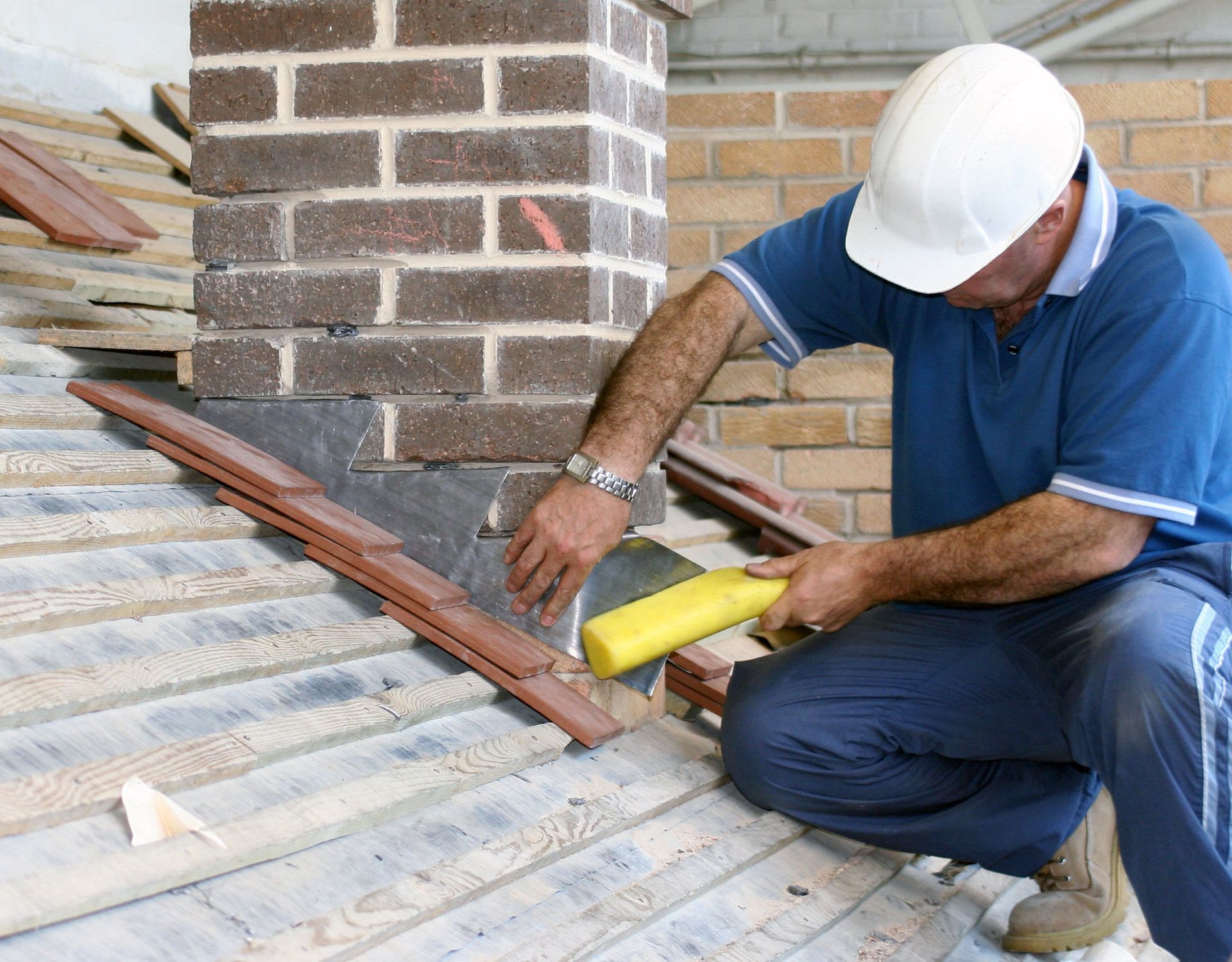
Different areas of your roof require different shapes and application methods for flashing. Apron flashing is used where a roof meets a vertical wall, while valley flashing protects the internal angles where two roof slopes meet. Step flashing is essential for chimneys and dormers, consisting of multiple overlapping pieces that step up the side of the structure. Each type is engineered to handle a specific type of water runoff and architectural joint.
Another common variety is vent pipe flashing, which seals the base of pipes protruding from your roof line. Drip edges are installed along the eaves to guide water directly into the gutters rather than letting it run down your fascia boards. Understanding these distinct variations helps homeowners identify where potential issues might arise. Professional roofing companies specialize in matching the correct type of flashing to every unique intersection on your roof to guarantee total coverage.
Recognizing the Signs of Flashing Damage
Over time, extreme temperature fluctuations can cause flashing to expand, contract, and eventually pull away from the roof structure. Spotting the early warning signs of failure can save you thousands of dollars in extensive interior repairs. Look for visible rust, cracks, or warping along the edges of your chimney, valleys, and walls. If you notice shingles pulling away or sagging near these areas, it is a strong indicator that moisture has breached the barrier.
Inside your home, water stains on ceilings or walls often trace back to compromised flashing. Because these components are located in high-velocity water channels, even a small gap can lead to significant water intrusion during a heavy storm. Regular visual inspections from the ground or hiring roofing companies to perform a comprehensive physical checkup will ensure that minor wear and tear is caught before it transforms into a major household disaster.
Understanding the Installation Process
Installing roof flashing requires a high level of precision, specialized tools, and an eye for detail. The process involves overlapping the metal pieces correctly with the surrounding shingles to ensure water always flows over the top of the barrier rather than underneath it. If the pieces are nailed too tightly, they may buckle during temperature shifts; if they are too loose, wind can tear them away. This delicate balance is why proper installation is best left to trained experts.
Proper integration with the underlayment and shingles is the secret to success. Waterproof sealants and specific fasteners are used to secure the metal without creating new pathways for leaks. When local roofing companies handle the installation, they ensure that every single corner, overlap, and seam aligns perfectly with industry standards. A precise installation guarantees that your home remains fully protected through consecutive seasons of harsh weather conditions.
Prioritizing Professional Inspections and Maintenance
Routine maintenance is the key to extending the life of your entire roof system. Because flashing bears the brunt of water runoff, it should be cleaned of debris like leaves, twigs, and pine needles regularly. Debris traps moisture against the metal, which can accelerate rusting or cause water to back up under the shingles. Clearing these pathways allows water to move freely and quickly toward your gutter system.
Scheduling annual or bi-annual inspections with experienced roofing companies ensures that your flashing is checked for structural integrity and secure fastening. Professionals can quickly re-seal loose edges, replace rusted sections, and fix minor gaps before the next storm rolls in. This proactive approach to home maintenance preserves the value of your property and gives you peace of mind that your roof is prepared for whatever the weather brings.
Choosing the Right Contractors for Your Home
Selecting the right roofing companies to handle your roof components makes all the difference in the world. You want a group that understands the nuances of local weather patterns and has a proven history of excellent craftsmanship. Look for teams that offer comprehensive consultations so you can discuss your material preferences, budget constraints, and long-term goals for your property before any physical work begins on your roof line.
Experienced contractors will always prioritize a thorough assessment of your existing structure, explaining exactly what needs repair or replacement. Partnering with reputable
roofing companies ensures that high-quality materials are used and that the installation complies with all regional building codes. Taking the time to select a skilled, knowledgeable team protects your investment and ensures your home remains dry and structurally sound for the future.
Your roof flashing is a small but mighty component that stands between your home and devastating water damage. From selecting the proper metal gauge to ensuring a flawless installation, every step of the process requires care and expertise. Keeping this barrier in excellent condition is one of the smartest ways to maintain your property value and avoid costly emergency repairs. Taking care of your roof today means you will not have to worry about unexpected leaks tomorrow.
When you need expert assistance keeping your home safe from the elements, we are here to help every step of the way. Major Roofing Exteriors & More brings a wealth of local knowledge, serving North Central and West Texas with dedication and care. With over 35 years of combined experience, our skilled team provides free estimates and consultations to help you find the best solutions for your property. Contact us today to schedule your assessment and discover how we can keep your roof in perfect condition.

Share On: